



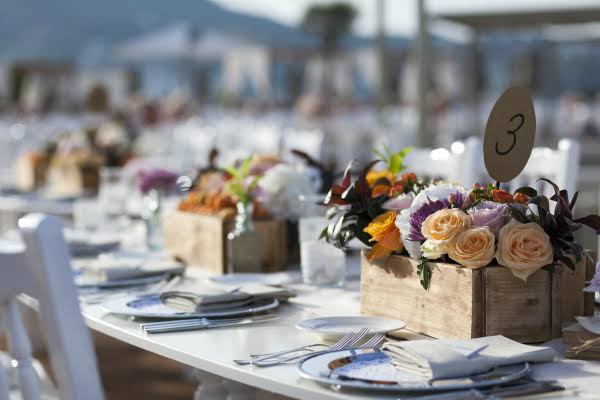
When couples imagine their wedding day, they usually picture the beautiful moments.
Walking down the aisle.
Exchanging vows.
Sharing a first dance.
Celebrating with family and friends beneath romantic evening lights.
But before any of those moments happen, something important takes place behind the scenes: wedding venue setup.
Tables must be arranged. Chairs need to be positioned. Flowers arrive. Vendors prepare their equipment. Signage is placed, and every detail begins coming together.
A well-organized setup can help the wedding day feel relaxed, while unclear responsibilities or rushed timelines can create unnecessary stress.
For couples planning a wedding near Atlanta, understanding venue setup before the big day is one of the simplest ways to make the celebration run more smoothly.
Here’s what you should know.
1. Understand When Setup Can Begin
One of the first questions to ask your venue is when vendors can begin preparing the property.
Don’t assume setup time begins whenever your florist or rental company wants to arrive.
Every venue has specific access policies.
Ask:
- What time can vendors enter?
- Is early access available?
- When can the couple arrive?
- When must setup be completed?
- Does setup time count toward the rental period?
These details influence the entire wedding timeline.
Your vendors need enough time to prepare without feeling rushed before guests arrive.
2. Confirm Who Handles Tables and Chairs
Furniture setup is one of the most important responsibilities to clarify.
Some venues provide furniture and arrange it according to an approved floor plan.
Others may require couples or rental companies to handle certain tasks.
Before booking, ask who is responsible for:
- Ceremony chairs
- Reception tables
- Reception chairs
- Cocktail tables
- Specialty furniture
- Furniture breakdown
Make sure these responsibilities are clearly documented.
A simple misunderstanding about furniture setup can create major delays on the wedding day.
3. Finalize Your Floor Plan Early
Your reception layout should be planned before the wedding week.
Work with your venue, planner, and rental professionals to create a floor plan that accounts for:
- Guest tables
- Dance floor
- DJ or musicians
- Bar
- Catering access
- Cake table
- Gift table
- Guest-book area
- Comfortable walking paths
A good layout should support both appearance and function.
Guests need room to move comfortably, and vendors need access to their work areas.
4. Coordinate Vendor Arrival Times
Your wedding vendors may need different amounts of setup time.
Florists may arrive early to install arrangements.
Caterers need time to prepare food service.
DJs and musicians need to set up and test equipment.
Rental companies may need to deliver tables, linens, or specialty pieces.
Create a vendor arrival schedule that includes:
- Arrival time
- Setup location
- Contact person
- Delivery instructions
- Equipment requirements
- Completion deadline
Share this information with your planner or designated coordinator so everyone understands the schedule.
5. Ask About Vendor Access and Deliveries
Historic properties and garden venues may have specific delivery procedures.
Before the wedding day, ask where vendors should unload equipment and whether there are restrictions on vehicles or delivery areas.
Important questions include:
- Is there a designated vendor entrance?
- Where can deliveries be unloaded?
- Are there stairs or narrow pathways?
- Can equipment be transported through garden areas?
- Are there restrictions on delivery vehicles?
These details help vendors plan appropriately and protect the property.
6. Understand Décor Placement Rules
Decorations can transform a wedding venue, but not every installation is permitted.
Historic venues may have additional restrictions designed to protect architectural details and landscaping.
Before finalizing décor, confirm policies regarding:
- Candles
- Hanging decorations
- Floral installations
- Adhesives
- Nails or screws
- Confetti
- Sparklers
- Furniture movement
Share these rules with your florist, planner, and décor team.
The goal is to create a beautiful celebration while respecting the venue’s requirements.
7. Plan Ceremony Setup Carefully
Ceremony setup involves more than arranging chairs.
Think about the complete experience.
Where will guests enter?
Where will family members sit?
How will the wedding party approach the ceremony?
Where will the photographer stand?
Is there enough room for the processional?
A thoughtful ceremony layout helps the event feel organized and comfortable.
If you’re planning an outdoor ceremony, also consider sun direction, shade, ground surfaces, and weather alternatives.
8. Consider Cocktail-Hour Setup
Cocktail hour should be ready before guests begin arriving from the ceremony.
If the space requires furniture, beverage stations, or decorations, those details need to be coordinated in advance.
Consider:
- Cocktail tables
- Comfortable seating
- Bar placement
- Refreshment stations
- Background music
- Guest pathways
A well-prepared cocktail-hour area allows guests to move naturally into the next part of the celebration.
9. Make Sure Reception Setup Supports Guest Flow
A beautiful reception layout isn’t successful if guests struggle to move through it.
When arranging tables and furniture, leave appropriate space for:
- Servers
- Guests
- Wheelchairs and other mobility aids
- Dance-floor access
- Bar lines
- Restroom routes
- Entrances and exits
Work with your venue and event professionals to confirm that the layout meets applicable safety and accessibility requirements.
Good guest flow helps everyone enjoy the celebration without unnecessary congestion.
10. Think About Lighting Before Sunset
If your wedding includes an evening reception, lighting should be part of the setup plan.
Ask about available electrical access and approved lighting arrangements.
Depending on the venue, you may consider:
- Bistro lights
- String lights
- Lanterns
- Candlelight
- Architectural lighting
- Pathway lighting
Lighting should create romance while allowing guests to move safely after dark.
Always confirm open-flame, installation, and electrical requirements with the venue.
11. Create a Weather Backup Setup
Outdoor weddings require a realistic alternative.
If rain or other weather conditions affect your original plan, your team should already know what needs to change.
Ask:
- What is the backup location?
- Will the same furniture work?
- Who moves tables and chairs?
- When is the weather decision made?
- Are additional rentals required?
A backup plan should be more than a general idea.
It should include a workable layout and clear responsibilities.
12. Don’t Forget Personal Items
Wedding-day setup also includes smaller personal details.
These may involve:
- Guest-book materials
- Place cards
- Seating charts
- Favors
- Family photographs
- Cake accessories
- Ceremony programs
- Personal decorations
Pack these items carefully and label them by location.
If possible, assign one trusted person or planner to oversee their placement.
That way, you won’t need to spend your wedding morning answering questions about where everything belongs.
Wedding Venue Setup at Stonehedge House in Buford
For couples searching for a historic wedding venue near Atlanta, Stonehedge House in Buford offers a combination of historic architecture, garden beauty, and flexible event spaces.
Located at 406 East Shadburn Avenue, Buford, Georgia 30518, Stonehedge House features a historic home and romantic garden courtyard.
The venue offers:
- Capacity for up to 125 guests
- Historic architectural character
- A garden courtyard for outdoor celebrations
- 50 on-site parking spaces, plus nearby public parking
- Event pricing typically ranging from $4,500 to $6,000
For couples planning an intimate or mid-sized wedding, the property provides a setting where ceremony, reception, and photography plans can be considered together.
Before the wedding day, couples should confirm setup access, furniture availability, vendor requirements, decorating policies, cleanup responsibilities, and other event-specific details directly with the venue.
13. Clarify Cleanup and Breakdown Responsibilities
Setup is only half of the equation.
At the end of the celebration, decorations, equipment, rentals, and personal items need to be removed according to the venue’s policies.
Ask:
- Who removes decorations?
- Who breaks down furniture?
- When must vendors leave?
- Can rentals remain overnight?
- Who handles trash?
- Are there additional cleaning fees?
Make sure your vendors understand the departure schedule.
A clear cleanup plan helps prevent unexpected charges or delays.
14. Create a Final Setup Checklist
Before the wedding day, review the following:
- Confirm venue access times
- Finalize the floor plan
- Verify guest count
- Confirm furniture arrangements
- Coordinate vendor arrivals
- Review delivery instructions
- Confirm décor restrictions
- Finalize lighting plans
- Review weather alternatives
- Assign personal-item responsibilities
- Confirm cleanup requirements
This checklist can help identify missing details before they become last-minute problems.
15. Let Someone Else Manage the Setup
One of the best ways to enjoy your wedding day is to avoid becoming the person responsible for every setup decision.
If your budget allows, consider working with a wedding planner or day-of coordinator.
They can help communicate with vendors, monitor the timeline, and address questions as preparations unfold.
If you’re not hiring a coordinator, assign responsibilities clearly to trusted individuals and confirm that the venue permits those arrangements.
Your wedding morning should be spent preparing for the celebration—not directing furniture deliveries.
A Beautiful Wedding Begins Behind the Scenes
Guests may never see the work involved in preparing a wedding venue.
They won’t know how many conversations went into arranging tables, coordinating vendors, or planning the ceremony layout.
They’ll simply arrive at a beautiful setting where everything feels ready.
That’s the value of thoughtful setup planning.
It allows the visible parts of the wedding to feel natural because the important details have already been handled.
Prepare Thoughtfully, Then Enjoy the Day
Wedding venue setup may not be the most romantic part of planning, but it supports nearly every meaningful moment that follows.
When access times are clear, vendors understand their responsibilities, and the layout has been carefully planned, the celebration can unfold more smoothly.
You can focus on your vows.
Your family.
Your photographs.
Your first dance.
And the joy of beginning a new chapter together.
Book your private tour today and learn how the historic home and garden courtyard at Stonehedge House in Buford could provide a beautiful setting for your wedding celebration near Atlanta.
Suggested Image Ideas
- Wedding team arranging elegant reception tables in the garden courtyard
- Fully prepared outdoor ceremony featuring chairs, greenery, and historic architecture
- Wide reception photograph showing thoughtful table placement and warm evening lighting
Instagram Caption
A beautiful wedding day starts with thoughtful preparation. 🤍 From tables to timelines, the little setup details make a big difference.
Hashtags
#WeddingVenueSetup #WeddingPlanningTips #AtlantaWeddingVenue #BufordWeddingVenue #StonehedgeHouse #WeddingChecklist #HistoricWeddingVenue #GardenWedding #GeorgiaWedding #WeddingCoordinator #GeorgiaBride #AtlantaWeddings