



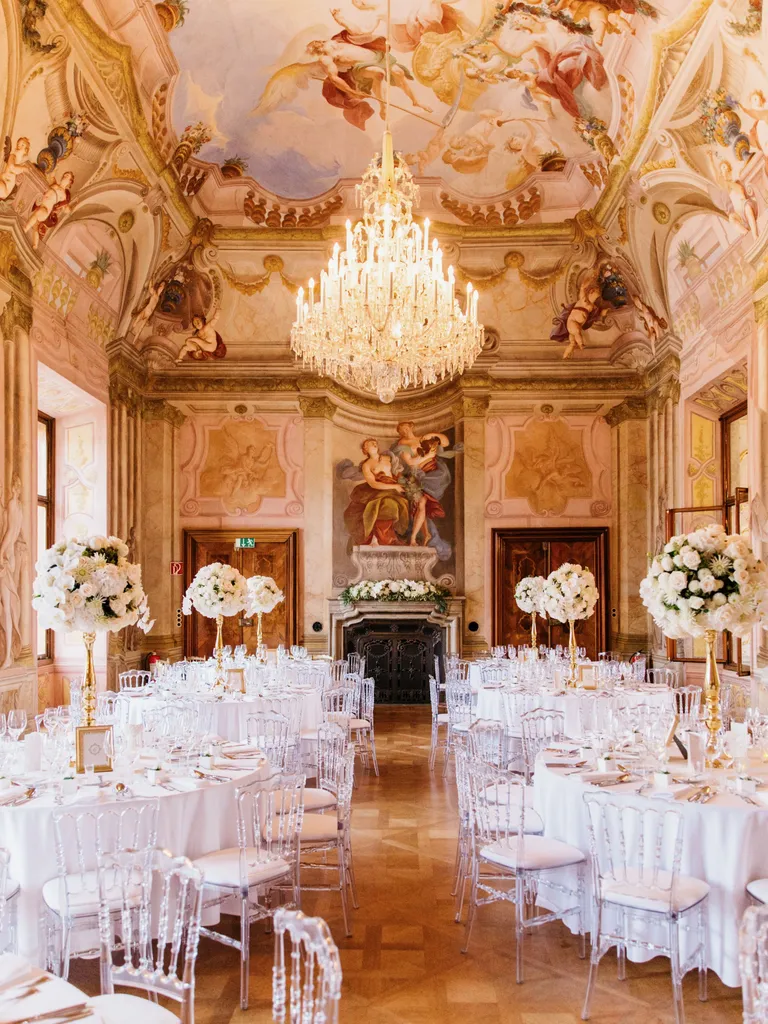
Some weddings feel busy. Others feel beautiful.
The difference is rarely budget or size—it’s intention. Intentional wedding design focuses on purpose, experience, and meaning rather than filling space or following trends. It creates weddings that feel calm, cohesive, and deeply personal—for couples and guests alike.
Here’s why intentional design consistently creates better weddings and why it’s the approach couples remember most.
🧭 Intentional Design Starts With “Why”
Intentional design begins long before décor choices. It starts with clarity.
Couples who design intentionally ask:
- How do we want this day to feel?
- What moments matter most to us?
- What do we want guests to experience?
When every design choice supports those answers, the wedding feels cohesive rather than chaotic.
🏛️ The Venue Leads the Design (Not the Other Way Around)
Intentional design allows the venue to guide decisions instead of competing with it.
Character-rich, historic venues already provide:
- Architectural beauty
- Warmth and texture
- A sense of place
At Stonehedge House, couples often realize they don’t need to “transform” the space. The historic home and garden courtyard already create atmosphere—design simply enhances what’s there.
This reduces décor needs and increases impact.
🎨 Fewer Choices Create Stronger Visuals
Intentional design embraces restraint. Instead of many ideas competing for attention, it focuses on a refined vision.
This often looks like:
- A cohesive, limited color palette
- Repeated design elements instead of constant variation
- Thoughtful placement rather than excess
The result feels polished, elevated, and timeless.
🕯️ Atmosphere Matters More Than Décor
Guests rarely remember every design detail—but they always remember atmosphere.
Intentional design prioritizes:
- Warm lighting and candlelight
- Comfortable seating and easy flow
- Spaces that invite conversation
These elements shape how a wedding feels far more than decorative volume.
🕰️ Intentional Design Supports a Better Timeline
Design and timeline are deeply connected. Intentional weddings don’t overschedule—they allow moments to breathe.
This leads to:
- Relaxed transitions
- More meaningful conversations
- A wedding day that feels calm rather than rushed
When design supports flow, guests feel at ease without realizing why.
📸 Photos Capture Emotion, Not Distraction
Intentional design results in cleaner visuals and stronger emotion in photos.
Because the space isn’t overcrowded:
- Couples look more relaxed
- Guests interact naturally
- Images feel timeless rather than trend-driven
Historic venues amplify this effect with layered textures and natural backdrops.
💬 Guests Feel More Connected
When a wedding is intentionally designed, guests feel considered.
They experience:
- Clear, intuitive movement between spaces
- Comfortable pacing
- A welcoming, inclusive atmosphere
Instead of feeling managed, guests feel invited.
🏡 Why Historic Venues Reward Intentional Design
Historic venues thrive when design is thoughtful rather than heavy-handed.
At Stonehedge House in Buford, couples appreciate:
- Capacity for up to 125 guests—ideal for intentional celebrations
- On-site parking plus nearby public parking
- Pricing typically ranging from $4,500–$6,000 per event
- A setting that already feels complete and welcoming
Intentional design allows couples to focus on experience rather than embellishment.
✨ Better Weddings Feel Purposeful, Not Perfect
Intentional weddings aren’t about flawlessness—they’re about meaning.
They feel:
- Calm instead of chaotic
- Warm instead of overproduced
- Personal instead of performative
That’s what guests remember. That’s what couples cherish.
💍 Design With Intention, Not Pressure
If you want a wedding that feels elevated, meaningful, and unforgettable, intentional design is your strongest foundation.